Five tips for Producing Vine Videos for your Brand

Vine videos are not just any video content; they require specific expertise and care when producing them in order to cater to the vine audience as well as the mainstream audience. Some brands like Burberry have taken specific note to the “stop motion” feature and succeeded in doing it well. Others could probably use a little more “finesse” as you would put it. But enough about the brands who do it well and those who may not…here are a few things to consider when making your brand’s Vine videos (aside from ensuring you hold your camera horizontal and not vertical, of course):

1. Create storyboards: Like any other brand content, for example blog content, your team should plan ahead on the what the message will be, whether it’s part of a series,  how it folds into the larger marketing effort, etc. Once you have the strategy behind the Vine videos you want to create, storyboards help the producers create the content in a consistent and efficient manner. It also helps to keep the story aligned across several vine videos that may be in a series including the look, feel, tone, and voice.

2. Consider a freelancer: The majority of brands may not have “professional viners” in-house or those who deem themselves to be proficient at making these short form videos. That’s ok! If your budget allows it, consider finding these professionals and having them help your brand out with their expertise. It may be worthwhile not only to get started, but also to learn from them on stop motion. camera moves, and even simple things like the correct lighting.

3. Make your Vine Searchable: Like on Twitter, hashtags help your content be found easier within Vine and outside it. Using branded and common hashtags are important so that your content doesn’t get lose in the void of hashtags that no one uses. And in turn linking them with your own hashtags helps to build momentum around your brand.

4. Categorize it: The new feature (if you’ve updated your app recently) allows individuals and brands to categorize their Vine content in categories like Comedy, Art & Entertainment, Cats, Dogs, Beauty & Fashion, Food, Health & Fitness, Music, Nature, News & Politics, Sports, Urban and even the occasional “weird.” When publishing your Vine videos within the app it’s important to keep these categories under consideration, because like hashtags it’ll help your audiences see your Vine, share them, and get even more eyeballs upon your awesome content.

5. Cross-promote your content: Aside from your audience sharing your content directly from the app, it’s important your brand does too. But before you throw it across every social platform you have, consider which of your audiences would like this content in this format and this succinct of a message. It might be great for Twitter and your blog, but perhaps not Facebook and LinkedIn. Test and learn and see what works best for your brand.

Last but not least, don’t make it a one and done adventure into Vine. If your brand is really interested in this short video content, plan ahead and be sure i’s the right place for your brand because once you’re there, you should make an investment into creating and sharing more than just one video. And most of all, have some fun with it!

Note: This post was originally written for Socialnomics.
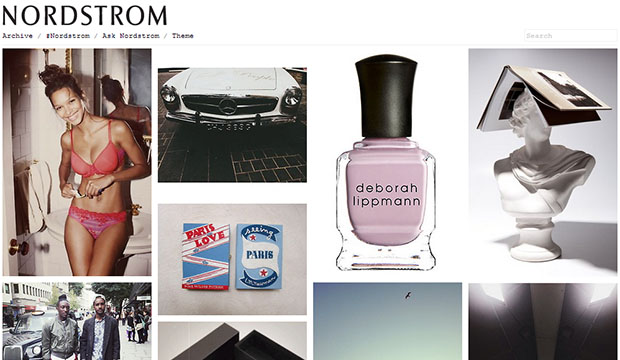
Nordstrom: A social media case example for any consumer brand

Nordstrom's social media approach

The well known retailer Nordstrom is proving itself to be an expert at engaging with its audience across multiple social channels, as well as connecting both online and offline for continued engagement.

On thing that Nordstrom ensures is that its visual content is available on whichever channel its audience prefers — providing insight into the latest styles available in the store, upcoming sales, and much more.

Let’s take a look at Nordstrom’s Social Media Approach

Twitter and Facebook

Nordstrom uses Facebook and Twitter to provide updates on daily specials and tips through their committed community managers. The community managers are helpful, quick to respond, and always give nice, sweet comments when consumers share their latest Nordstrom finds.

Going the extra mile: When customers have a question for the store, they often use Twitter to ask it.  Nordstrom, unlike a lot of major retailers out there, do actually respond within minutes including direct messages for direct answers needed.

Email Marketing

Frequent (but not too frequent) emails allow consumers to be alerted to the new trends available in store and online, as well as sales occurring at that moment so their customers don’t miss out on a great deal.

Pinterest and Instagram

Nordstrom’s Pinterest and Instagram accounts are always up to date with their latest trends.  They include highlights of bloggers and their best customers wearing styles from the store. When customers tag their latest purchases with Nordstrom handles or hashtags, they are automatically considered for a highlight.

tumblr

Nordstrom’s blog is especially unique because it isn’t just about the products but also gives consumers an inside look at Nordstrom’s take on fashion. This includes street style pictures from the week, which is great for a quick daily inspiration and feels almost like a service that the retailer is offering its customers.

Takeaways and Lessons to Apply to Your Brand

  • Use visual content that highlights your products in a way that the consumer can see the value, be excited to share it, and potentially purchase it.
  • Provide a path to purchase on appropriate channels.
  • The same content doesn’t live on every channel; allow diversity.
  • Allow the audience to be a part of the content; User Generated Content can allow your fans to feel special.
This post was originally written for Startup fashion – for the full list of takeaways and lessons for your brand check out my full post here
 

Five Visual Tips for your Brand’s Blog Presence

Branding |RedBalloon Advertisers |www.redballoon.in

Starting and maintaing a blog for your brand is a a crucial step when it comes to publishing content for your audience to discover, consume and share.

However, before pumping out all that awesome content, your team needs to determine how that blog will “look and feel” — how it will ladder up to the brand’s image on other owned sites, how the tone and voice will take shape, and how the blog will look visually to the consumer.

This shouldn’t’ be daunting, but it does take time to consider, plan, and strategize appropriately so your blog is a part of your marketing strategy and brand’s arsenal of content publishing.

1. To Theme or Not to Theme

Many blogs, whether it’s WordPress or tumblr offer a variety of custom themes that allow you to work within a set template.

The template allows for color changes, a preferred way to display content whether it’s the new Pinterest pinboard layout, or the gallery look, or keeping it simple with having it article style.

Whatever you choose, you can then add on widgets to allow for further customization such as social feeds, pulling in content from other sites, and even promoting products and services for people to purchase or subscribe to. In the end the theme helps those brands that don’t want to start from scratch, but would rather work from an easier starting place for a “look and feel” that fits the brand.

2. To Brand 

 Even before choosing the theme and the domain, it’s important to determine whether or not the blog will have branding specific to the brand/product/service. For example, some brands have a blog to offer fun entertaining content that has little to no branding; while others completely brand the blog with their name, logo, and more in order to show they are the authority of the blog and/or thought leader on the subject matter they are offering.

There is no right way to go about this, it depends upon the purpose of the blog and the goals of the brand. Both can serve great purposes.

3. To Be Social

If your brand has a large social presence or is trying to build on, it helps to cross promote social content. For example a fashion brand may want to pull in an instagram feed, while another brand may want to pull in a hashtag stream on a campaign they’re running.

I recommend ensuring there are social share buttons for content – more eyeballs, more consumption, more awareness of one’s content and brand.

4. To Provide Tone & Voice

One’s tone and voice is a part of the visual feel of the blog as well.

The tone can be fun and vibrant which goes along with a casual blog visually. Voice may be more instructional which may go along with a more conservative looking blog. Just remember to keep in consideration all the elements of your blog before putting it together.

5. To Provide Imagery

Imagery is essential to getting people to consume the content and share it. For example if it has fun visuals like a short video, comic strip, infographic – people are more likely to move towards it and in turn share with people they think would find it fun or informative.

Note: This post was originally written for social media club and my original post can be found here